Peace Pasture #2, Sadhana Forest
For this week’s Peace Pasture Series, I visited a food forest and reforestation community called Sadhana Forest.
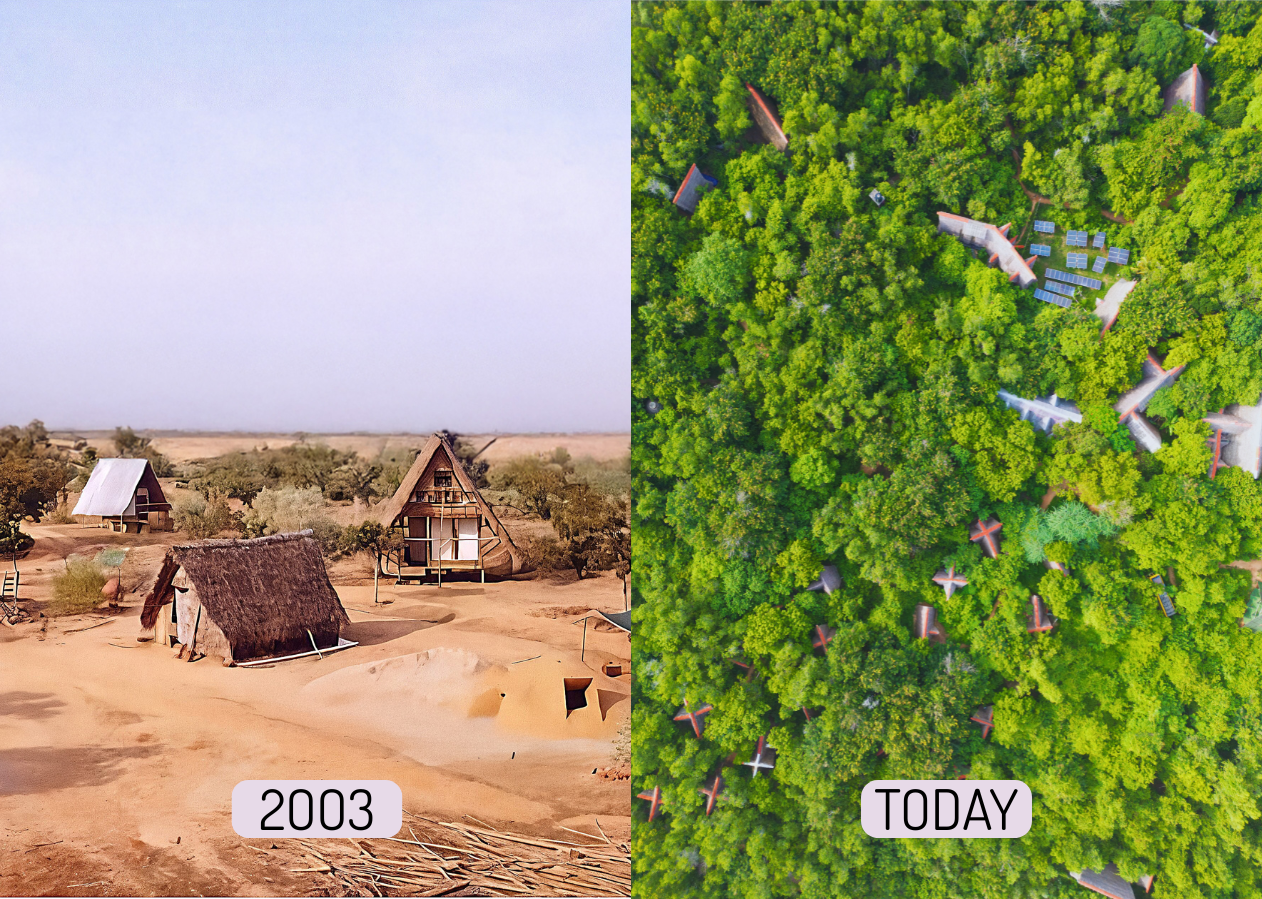
While it shares some aspects with other Auroville farms, such as Solitude or Terrasoul, Sadhana Forest felt exceptional in its thoroughness, breadth, and outreach. It was started by a family in 2003, not far outside of Auroville. More than 20 years later, the people of Sadhana Forest have managed to turn a plot of exhausted, barren land into a flourishing forest, practicing their motto of “putting compassion into action” for “world peace.”
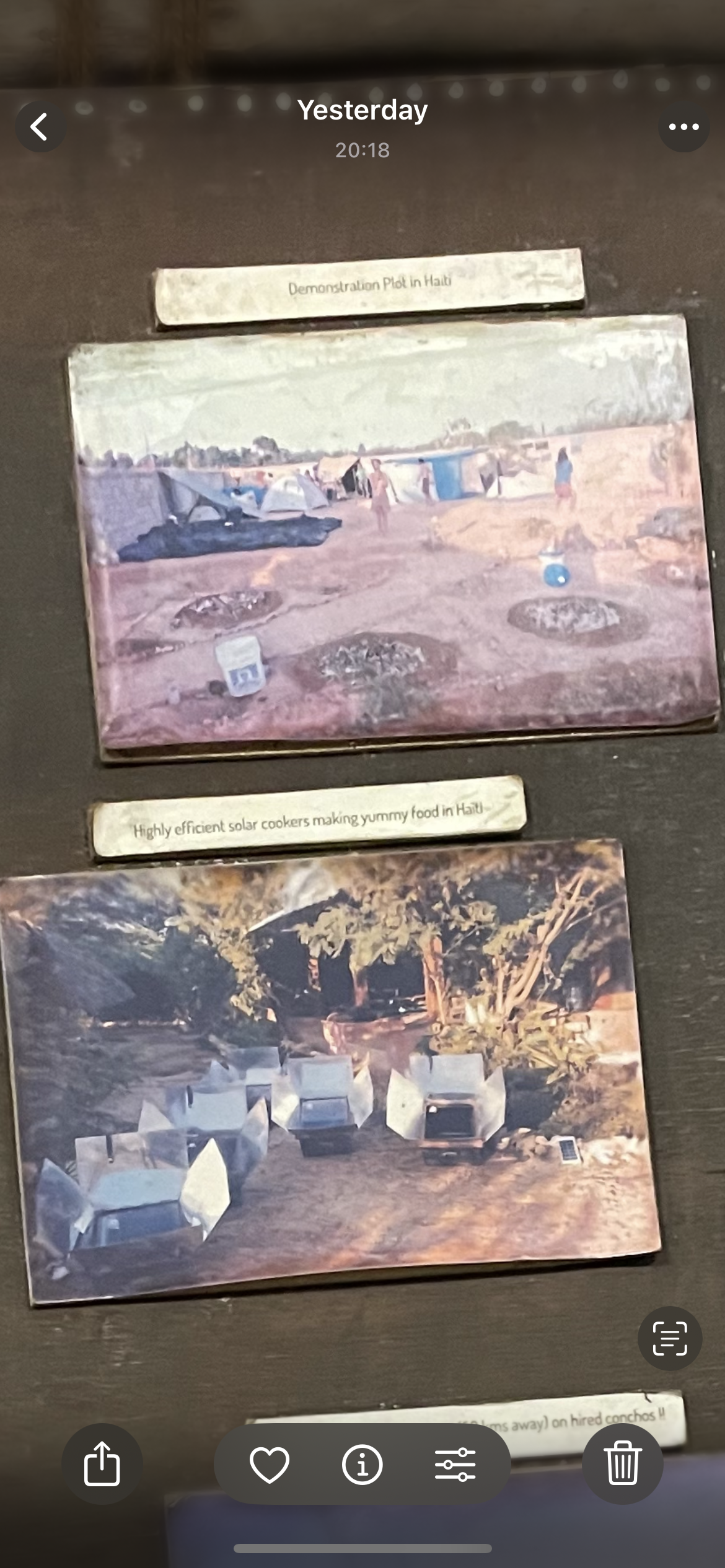
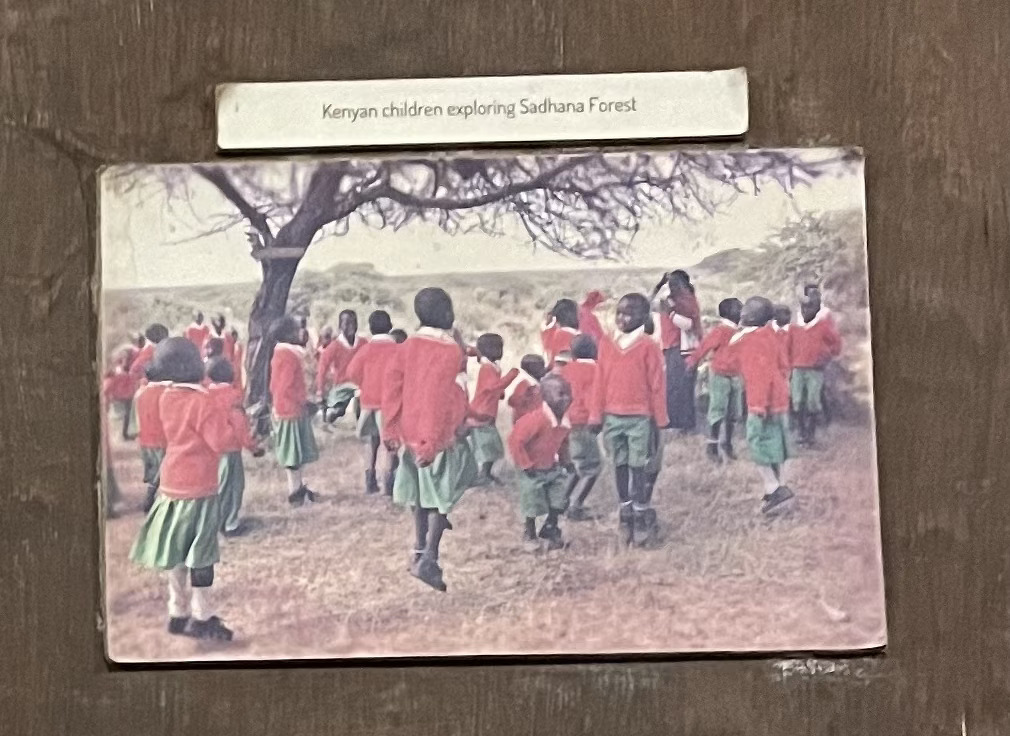
Because of its success, there are now numerous branching projects of Sadhana Forest that have turned barren land into lasting food forests. Sadhana Forest Auroville is the mothership of, for example, three branches in Meghalaya, one in Haiti, one in Kenya, one in Namibia, one near Madurai, and soon probably one in Romania. :)
Although I usually leave such reforestation communes with my own thoughts, noticing many contradictions, I was impressed by the sincerity and upbuilding character of Sadhana Forest. While, of course, international long-term volunteers are running the place, they are provided for and foster genuine community. And, though many volunteers talk about the project in that hippie-esque, big-eyed fashion, it is pure enthusiasm, as there are no gurus and it is also a very strict substance-free community (two things that tend to create those Woodstock-type big eyes). The Sadhana community has also managed to nurture a strong bond with the local community through joint architectural projects and food sharing, which is tied to their giving philosophy of handing a free meal to any passerby at Sadhana Forest.
While being there, I learned about some of the key approaches to reforestation. Perhaps most crucially, the way the people of Sadhana Forest need to carefully “plant” water. Instead of thinking about where to plant trees, the real challenge with barren land is “planting” water, or making sure that rainwater does not run away. Since there are no roots to hold the water, barren land lets all water just run off, which keeps it barren. Although familiar with this issue, I had not made the connection that this meant reforestation projects were primarily about making small water dams and trenches. After the water is channeled correctly, trees come naturally.
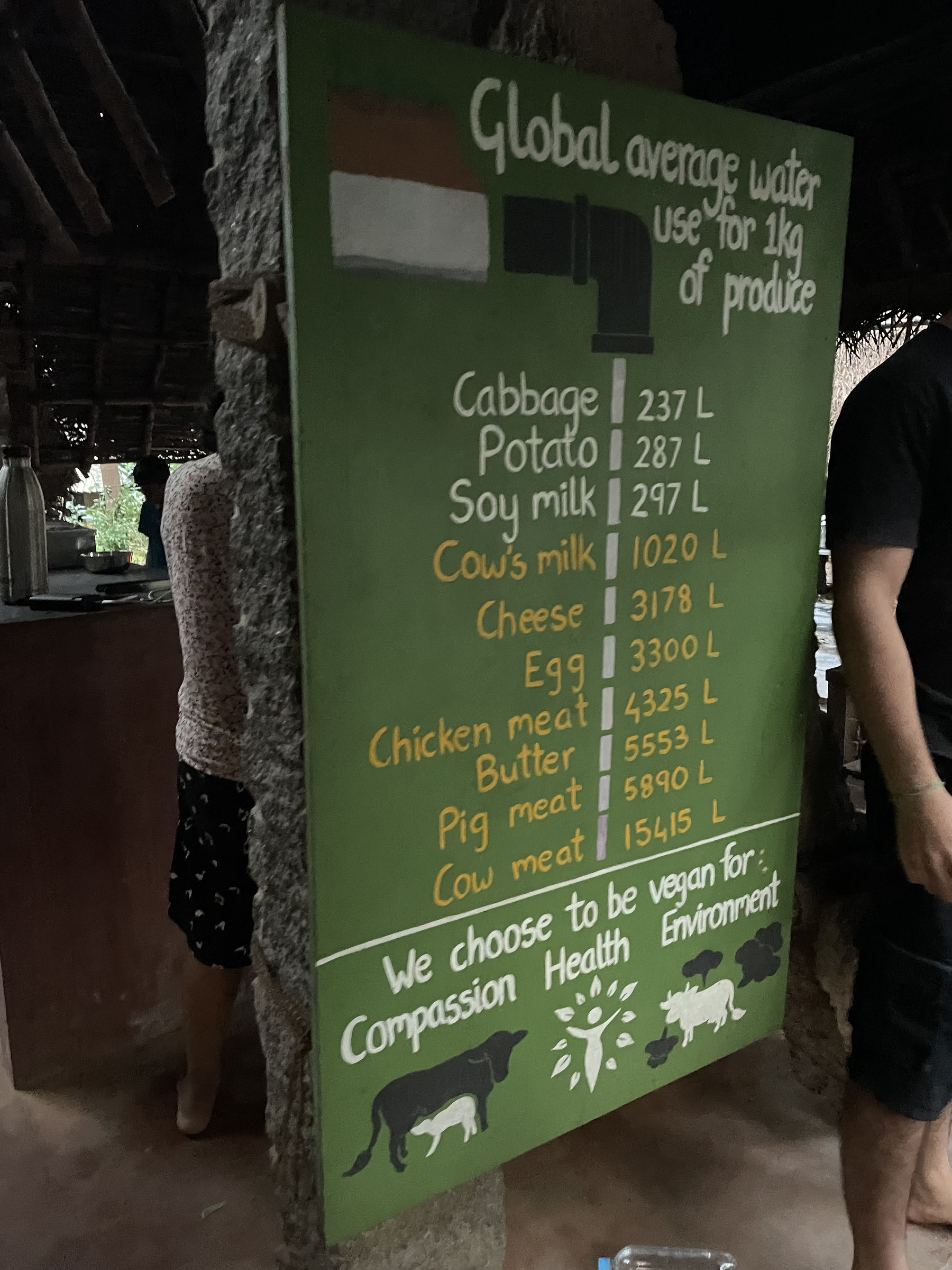
Sadhana Forest also hosts a Goshala. Since their community is strictly vegan, they decided to still take care of cows meant for slaughter, simply to give them a good end to their lives. I had an interesting conversation with the guy showing me around Sadhana Forest, he talked to me about the “amount of violence in our diet,” a topic that immediately made me think of A.K. Bhagwat’s World Peace through Correct Diet. We spoke about the current situation in which dairy cows are likely living even worse lives than other farm cows, because of the constant use of their reproductive organs and the broken maternal connection (this holds for most large farm dairy cows, less so for the rare family farm that lets the calf grow up alongside taking their milk).
After walking around the farm, I had a lovely dinner with some friends that had come along to Sadhana. Sadhana Forest had cooked free meals for 200 people that evening, including volunteers and passersby. Someone told me that on peak days they give free meals to 1,300 people in a single day!