Peace Pastures #1
Peace Pastures #1
This peace pasture report is part of a series where I go by farms that I buy animal produce from.
This blog series started because I began occasionally eating animal produce (at the moment eggs) again for nutrition but kept racking my brain over their ill-treatment, especially the treatment of “dairy” cows. At the end of this document I’ve given a brief take on my preliminary conclusions as to why we should visit farms to see farm animals with our own eyes. In short, it’s to see the bullshit these animals go through, to choose farm produce with a heart, and to ensure the worthy continued existence of farm animals.
On the Saturday afternoon of 13 December, I visited four farms. It was a long journey as I am doing these farm visits on my bike. During these visits I mostly focus on ducks, chicken, and cows (see list below on what I check). I visited them in the afternoon and since this is eating time, the cows were all in the stall. Next time, I am visiting in the morning to get both sides. I’ll start with the biggest farm and move down to the smallest. But before I continue I want to give a special thanks to AuroOrchard and Yasmin as she treated her four cows, held for manure only, so well! She taught me what to look out for at farms. And besides this, Yasmin, a great elderly lady, invited me to join to a Russian art exhibition and free pizza party night in Auroville!
The following more extensive report is quite boring as I try to make them based on a checklist. I share it for inspiration and because some people here asked cause they also wanted to know. Since I only checked farms that I buy produce from or that are related to the Aurobindo Ashram/Auroville, these farms are relatively speaking already very high standard!
AuroOrchard farm
Manure Cows Space: very spacious, Resting: not checked, Air quality: very fresh, Water: good, Body condition: good, Feet & movement: no hock lesions, gait good, Cleanliness: completely clean udders, Behavior & handling: very calm around farmer, Infrastructure: high standard
Ducks Space: excellent space, Resting: not checked, Air quality: no ammonia smell, Water: not checked, Body condition: not checked, Feet & movement: not checked, Cleanliness: great feather condition, Behavior & handling: very calm, Infrastructure: high standard
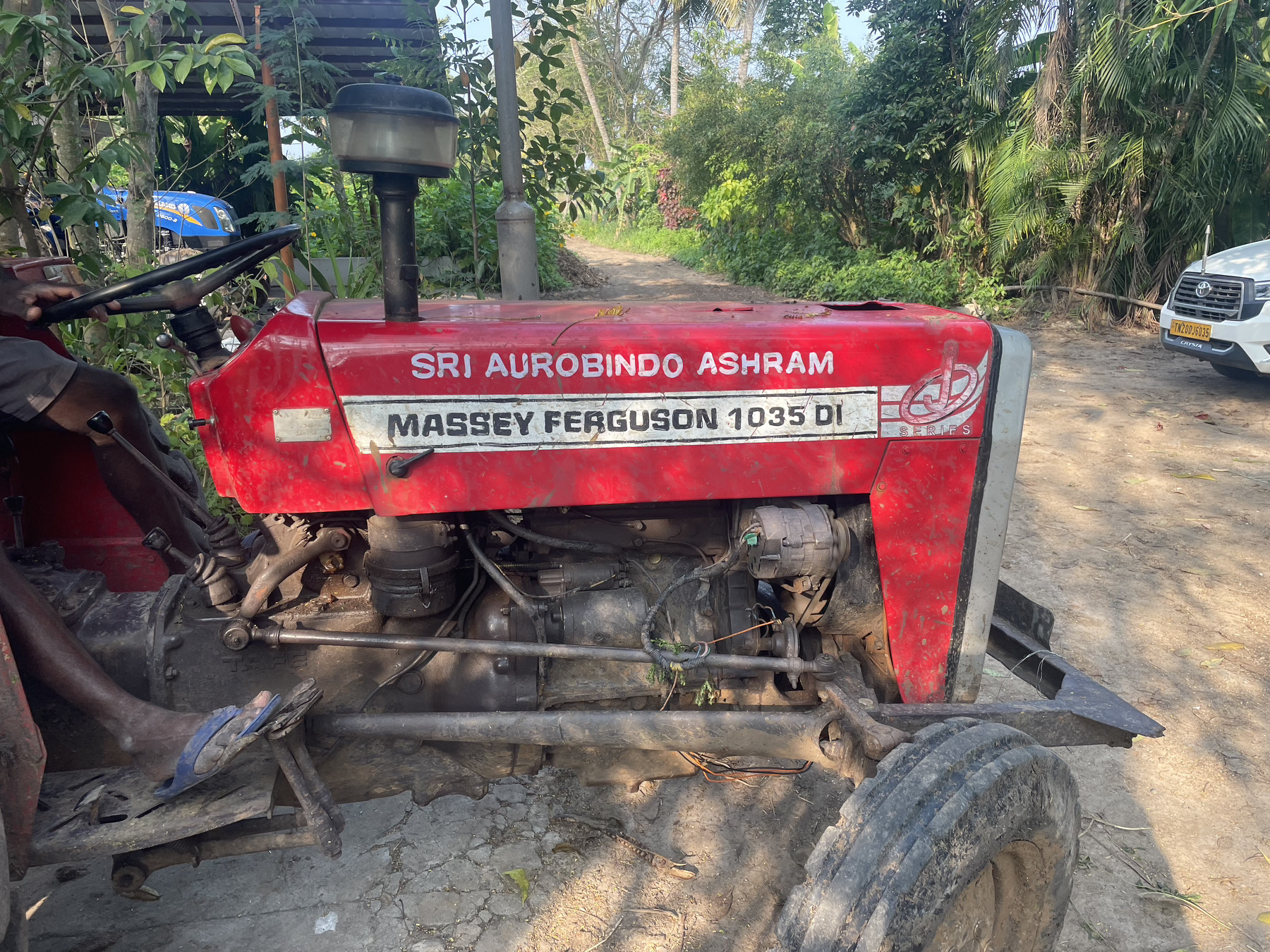
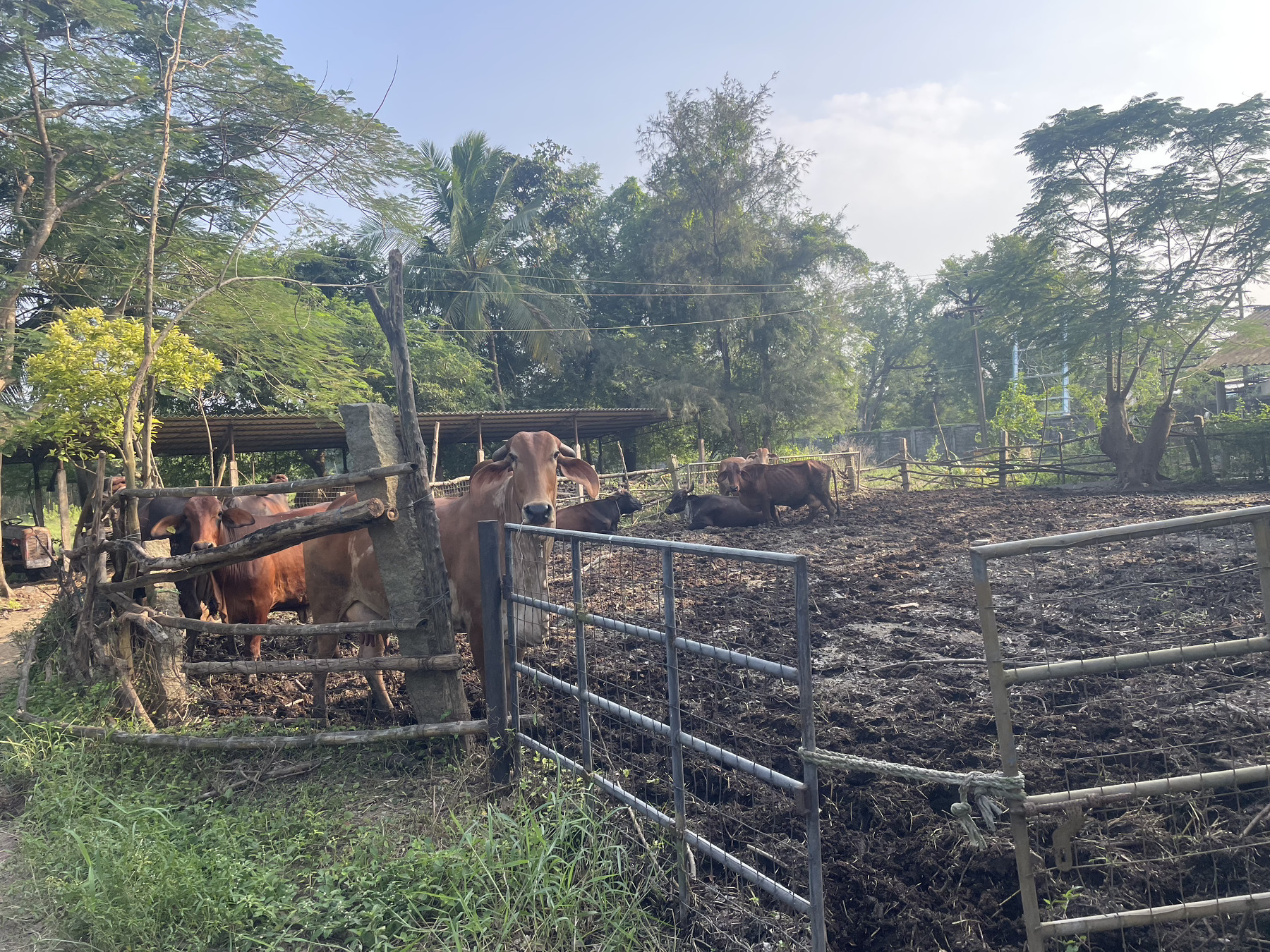
Sri Aurobindo Ashram farm
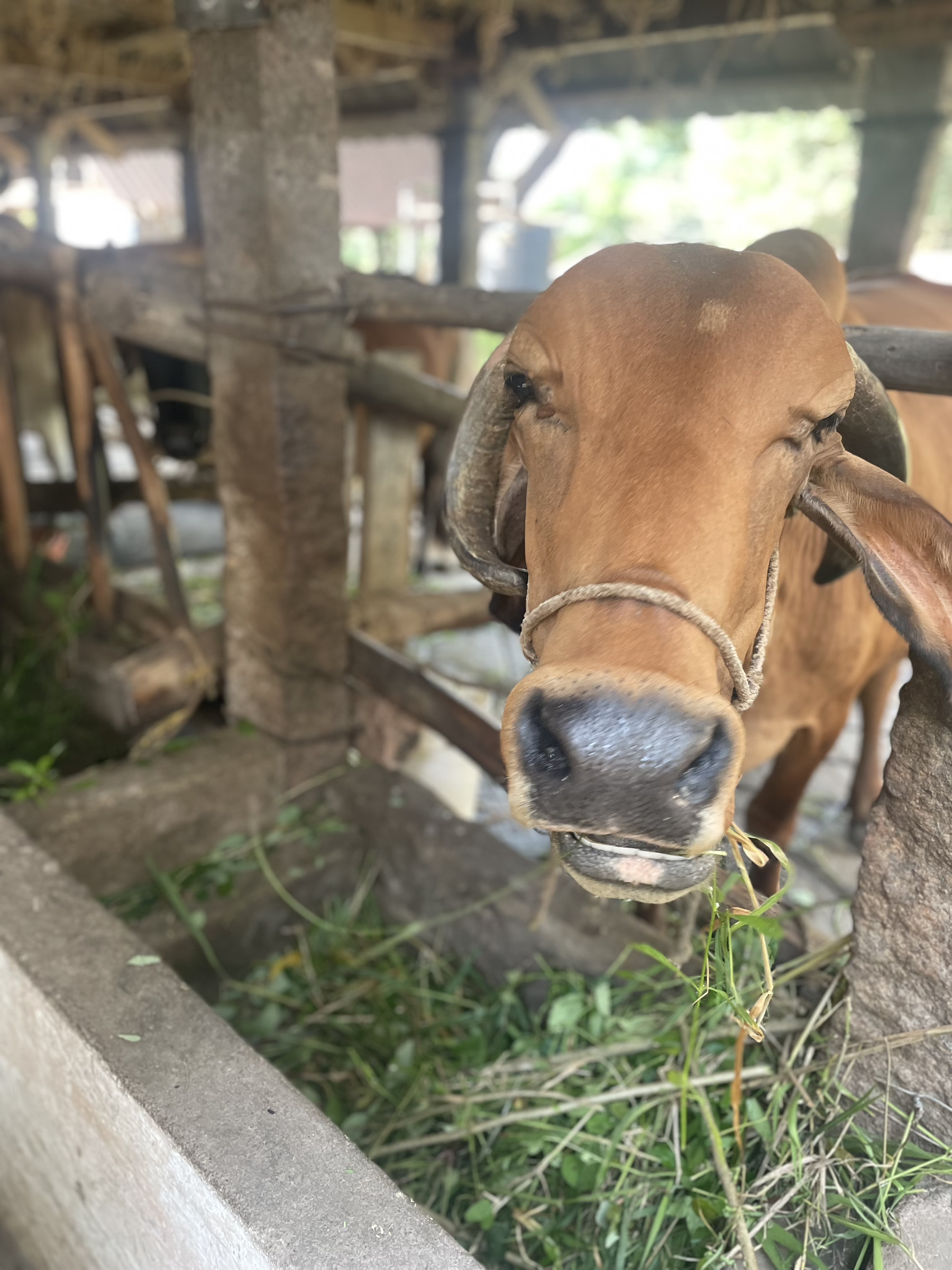
Cows Space: good space and stall availability, Resting: slightly muddy standing area, cows comfortable lying down, Air quality: no ammonia smell, Water: good, Body condition: one or two cows slightly underfed, Feet & movement: no hock lesions, gait ok, Cleanliness: clean udders, Behavior & handling: not very calm handling, not problematic, Infrastructure: functional stalls Annapurna Auroville farm
Cows Space: less stall space than expected, Resting: no resting in stalls seen, Air quality: no ammonia smell, Water: good, Body condition: very well fed, Feet & movement: no hock lesions, gait not checked, Cleanliness: very clean udders, Behavior & handling: slight panic when approached, Infrastructure: adequate but space-limited
Ducks Space: overcrowded, no ability to be alone, Resting: litter not dry, Air quality: slight ammonia smell, Water: bad quality, Feed & body condition: okay, Movement and feet: medium, Cleanliness: feather condition not good, Infrastructure: too small enclosure
Terrasoul farm (chickens), not complete Space: large accessible area, Behavior: appeared healthy, calmness not fully assessed, Infrastructure: cage not finished
For farm animals to live a life that is worth living, and for humans to eat good food, there must be a harmonious relationship between animals and humans. This means knowing our farmers and the conditions under which animals are raised. Practically speaking, occasional consumption of animal produce (manure, eggs, hunting/emergency slaughter, and milk although milk is almost impossible to take non-cruelly from the cow!) will be the main viable way domestic farm animals can continue to exist. At the same time, domesticated animals, humans included, tend to be especially sensitive and are capable of forming deep and lasting bonds. For these two reasons, the only real justification for the existence of domestic animals, compared to having nature take back over, lies in a genuinely respectful and harmonious relationship between humans and animals. So far this has been rare.
If such a relationship cannot be achieved then dietary ahimsa becomes the only heartfelt option. This choice would also mean accepting the eventual disappearance of most domestic animal life. Two things I don’t stand for. Whether one is motivated by a heart for animals (also those held for manure for plants), personal health, environmental responsibility, the conclusion is the same: one must personally know and inform oneself about the conditions of the farm from which one’s animal produce comes.
Here are two quotes by a writer who I cherish, that, perhaps counterintuitively, got me thinking about this more: “In all ages there have been people who wished to ‘improve’ mankind… To call the taming of an animal “improving it”, sounds to our ears almost like a joke. He who knows what goes on in menageries, doubts very much whether an animal is improved in such paces. It is certainly weakened, it is made less dangerous, and by means of the depressing influence of fear, pain, wounds, and hunger, it is converted into a sick animal. And the same holds good of the tamed man whom the priest has ‘improved’”
“We have altered our standpoint. In every respect we have become more modest. We no longer derive from the ‘spirit,’ and from the ‘godhead’; we have thrust him back among the beasts… now man is the great arrière pensée of organic evolution! He is by no means the crown of creation, beside him, every other creature stands at the same stage of perfection… And even in asserting this we go a little too far; for, relatively speaking, man is the most botched and diseased of animals, and he has wandered furthest from his instincts.” (Nietzsche, Twilight of the Idols, The “Improvers of Mankind”, 2 & The Antichrist, 14)
I now focus on the following, please let me know if I missed something
Space (movement, ability to be alone) Resting (bedding dryness, comfort of lying down) Air quality (ammonia, ventilation) Water (cleanliness, species appropriate) Feed & body condition Feet/Legs (gait, hocks/footpads) Cleanliness (udders/feathers/etc.) Behavior (calmness, panic, flow) Infrastructure (safe, finished)