Backlog Goddag Letter, Sabarmati and Nisargopchar Ashram
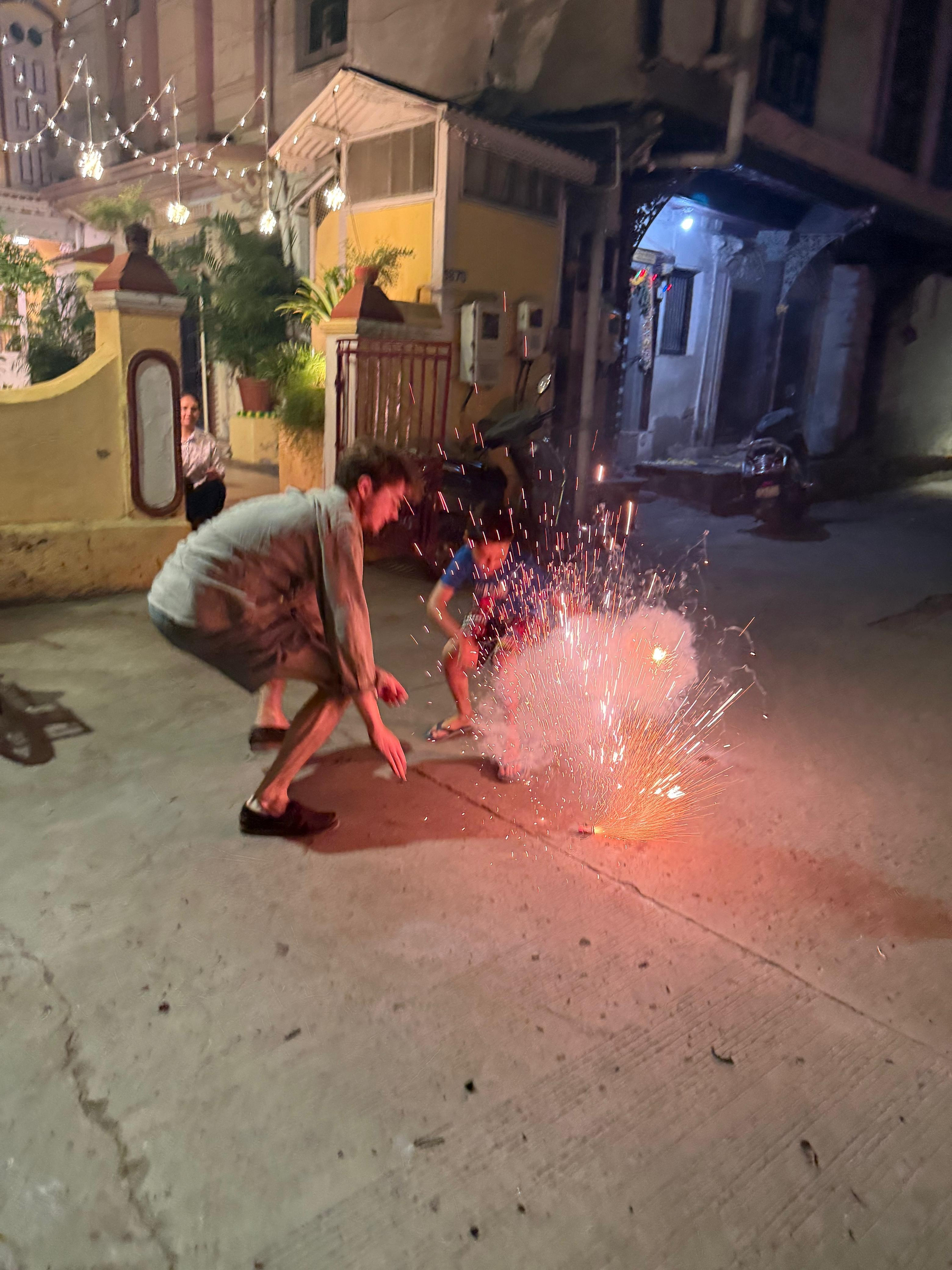
As I stepped into the old yellow house of the Mehtas, I immediately felt part of a family. In the heart of Ahmedabad lives this welcoming and upbeat family. They are a family of musicians, with the twin sisters regularly performing in and outside of India. The youngest is Shivaj, a big fan of Mr. Beast and a lively boy. I couldn’t have wished for a warmer home to spend the last few Diwali days with.
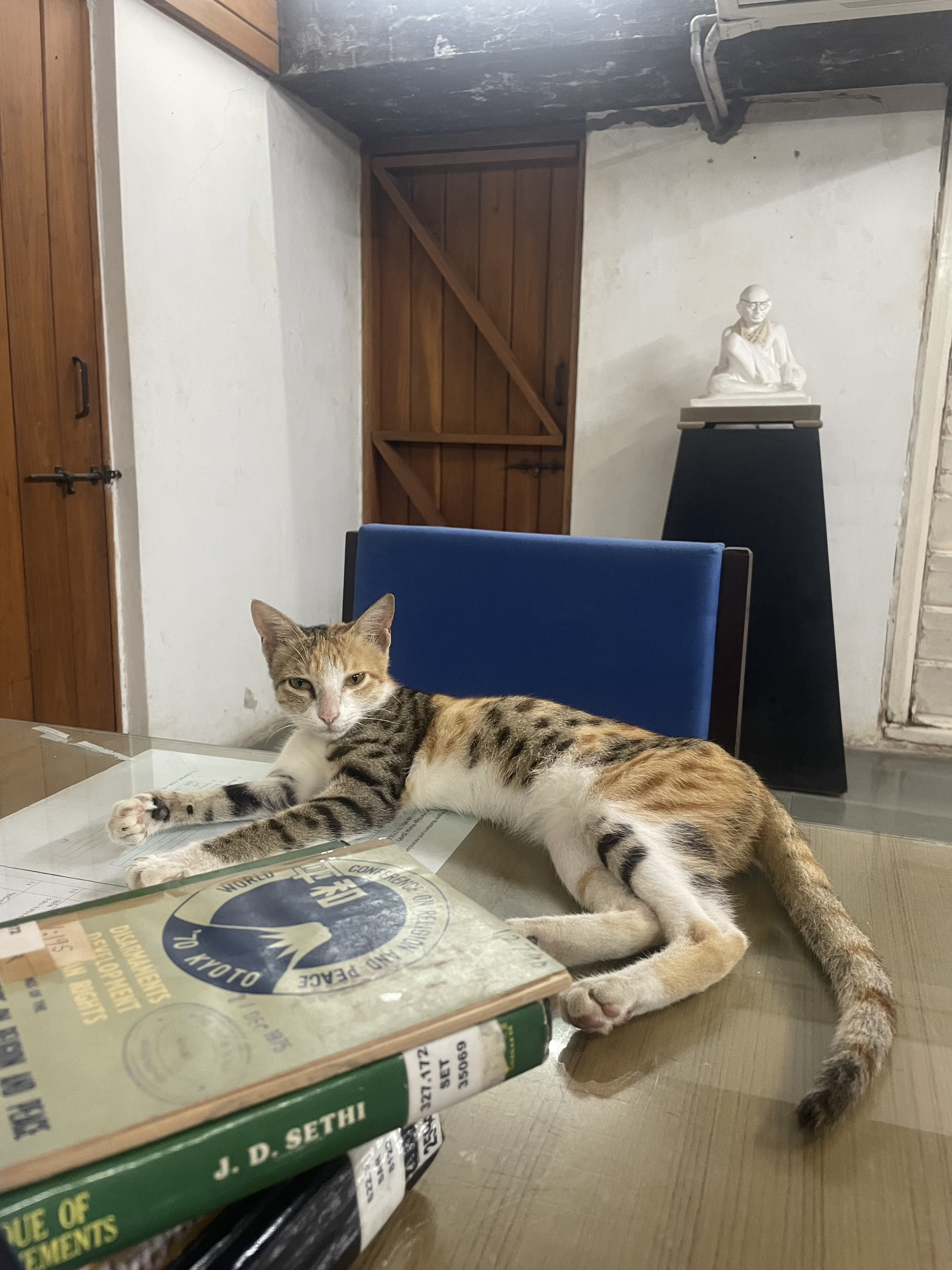
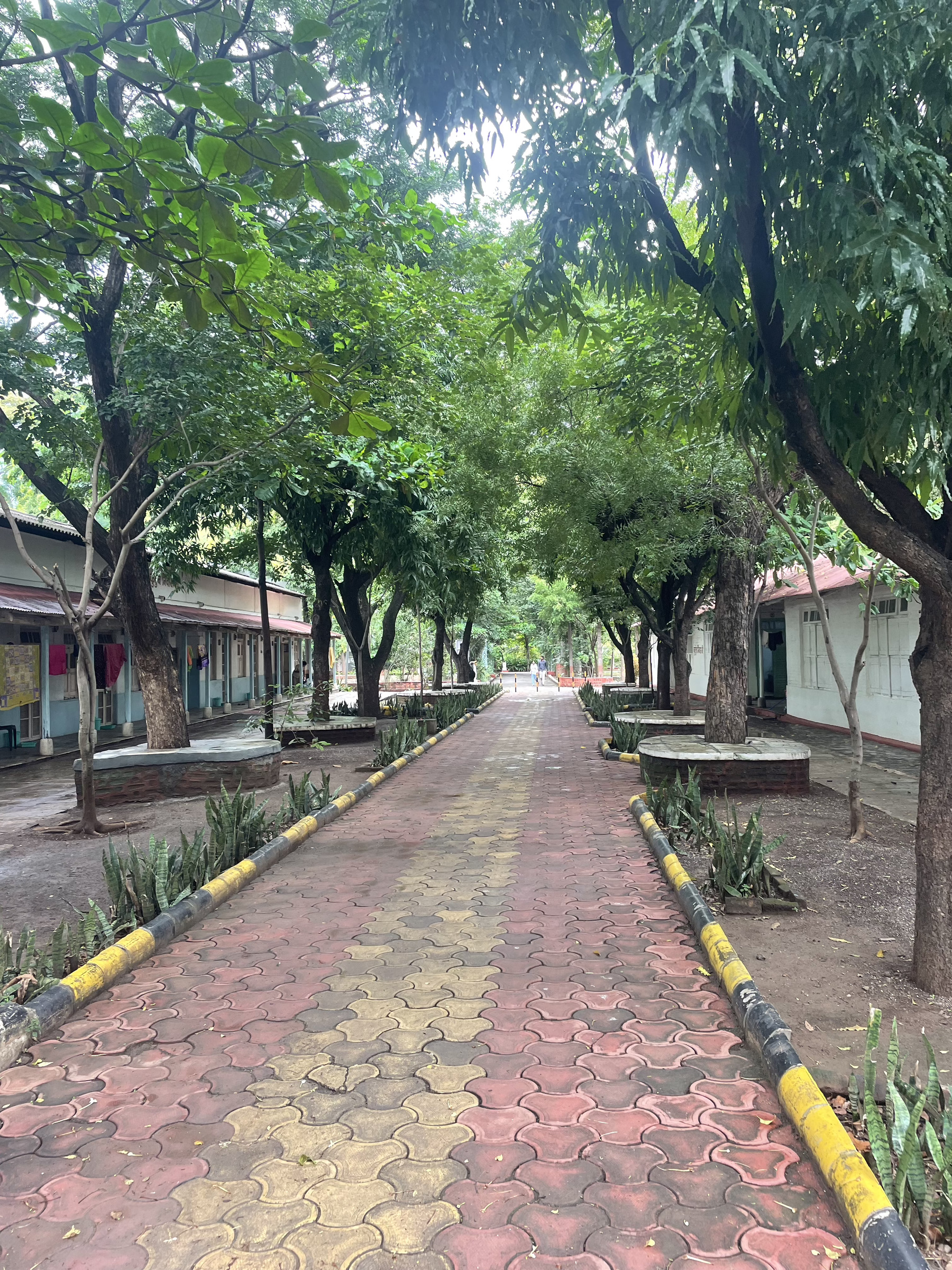
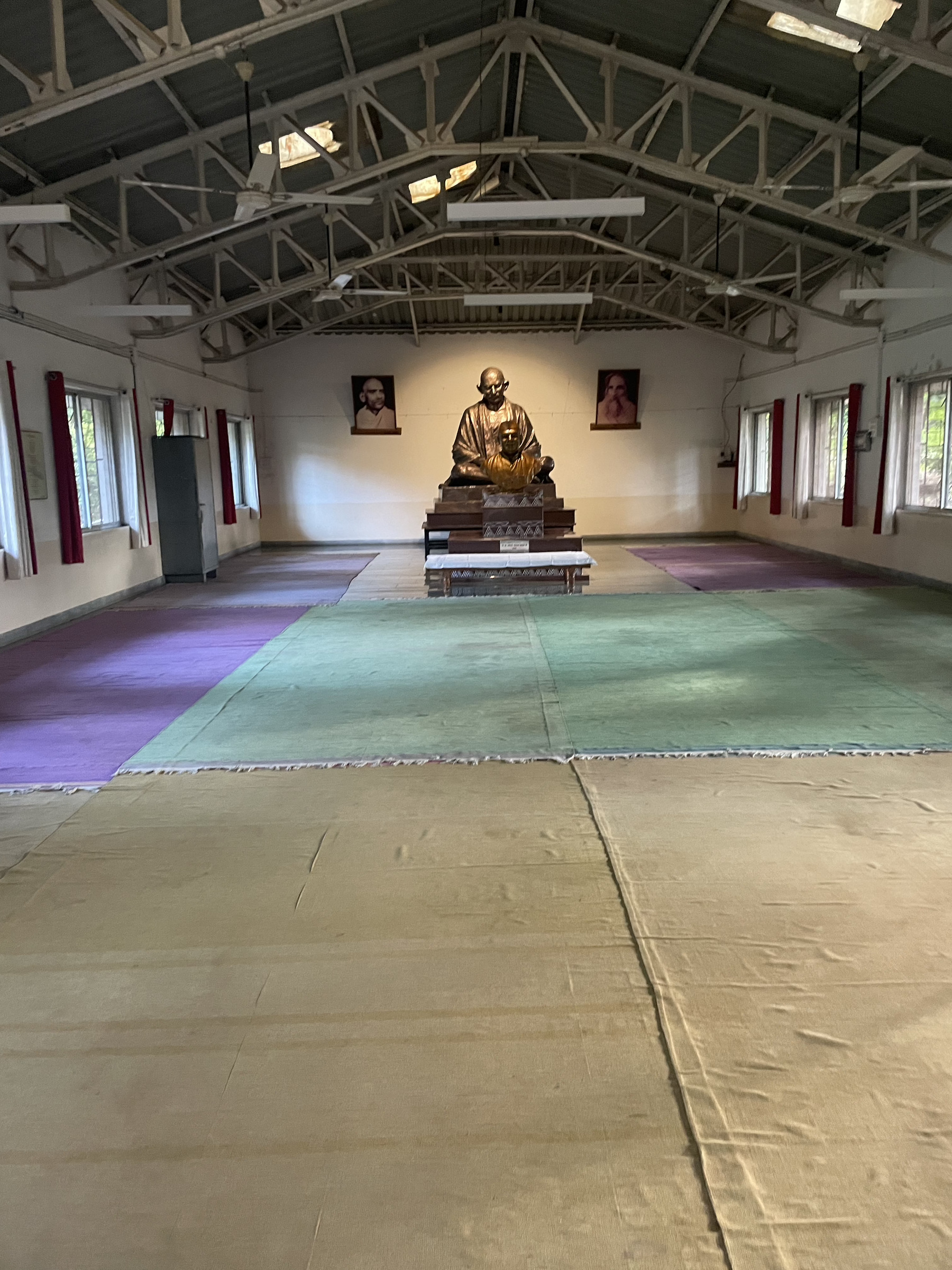
The reason I had come to Ahmedabad was to visit the Sabarmati Ashram. I had reached out to Kinnari Bhatt, but on my first visit she was still out of town due to Diwali. The other librarian held a little suspicion but eventually let me access the books. Though I had a great day of research, most of what I learned came after Kinnari Bhatt returned. She was such a bright mind and a really well-read archivist on the topic of nonviolent naturopathy and land reform. The second day we talked for hours, and she insisted I join them for lunch, which we ate on the floor at the archive. Kinnari shared information on naturopathic nonviolent ashrams across India. Another great find in the library was on Jayanti Thakur, whose autobiography happened to lie in the Sabarmati library. Besides the archive and the library, I spent some time exploring the general grounds of Sabarmati. This was the place from which Gandhi had given his Gita lectures, a series of lectures that explained the Bhagavad Gita as a text for nonviolent Satyagraha. During my MPhil I had spent a lot of time pitting his lectures against Bal Gangadhar Tilak’s Gita Rahasya, so this was, of course, a fascinating site for me to be at.
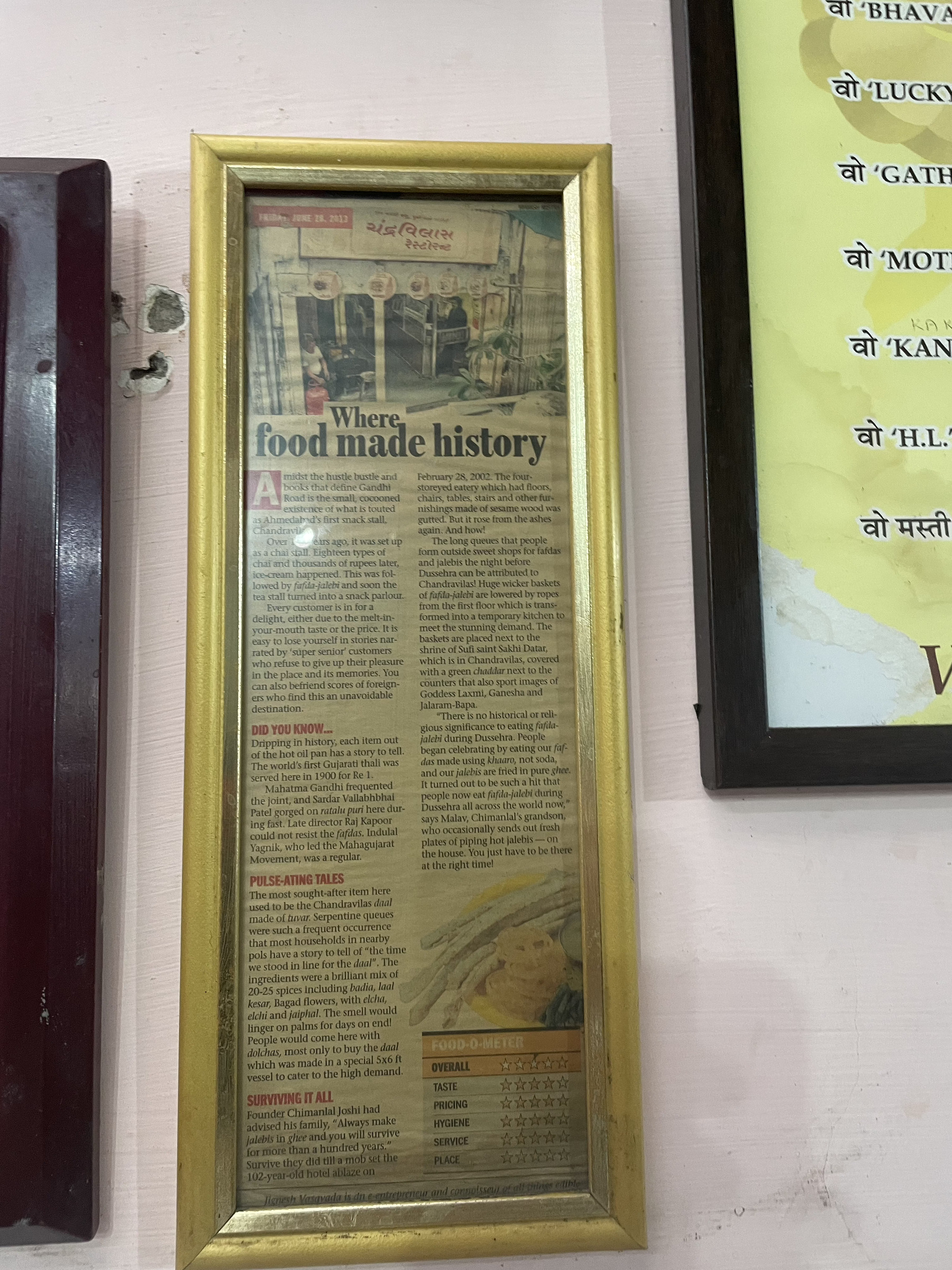
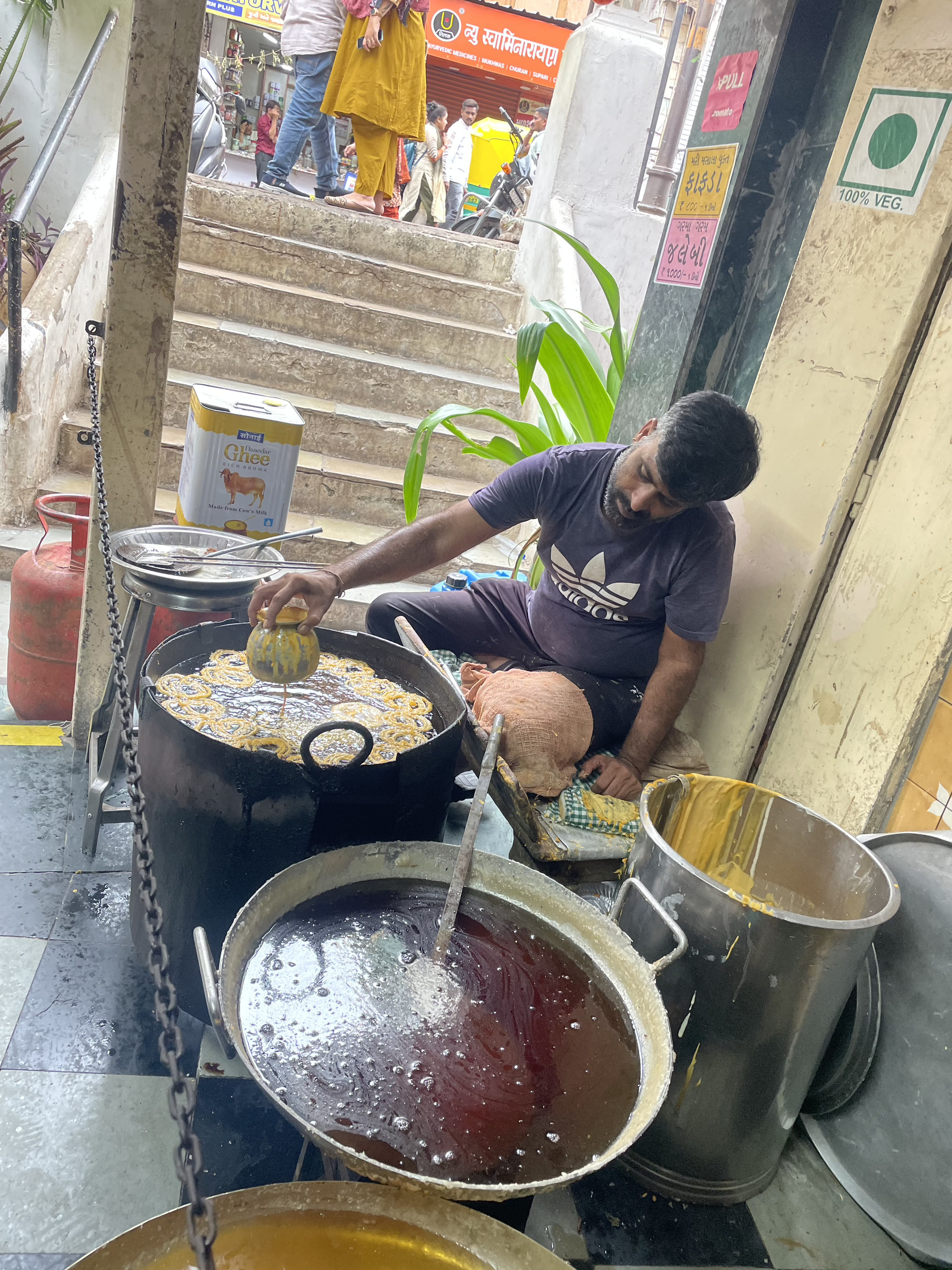
When I wasn’t at Sabarmati, I spent most of my time with the Mehta family or exploring Ahmedabad. Especially the Hutheesing Jain Temple was a favourite spot of mine. In case you’re in Ahmedabad, you should also try out the delicious food at Chandravilas, their fafda jalebi. It is allegedly the place where the first Gujarati thali was served and has had some notable visitors who ate there, such as Vallabhbhai Patel, Mahatma Gandhi, and current Prime Minister Narendra Modi.
From Ahmedabad I went to perhaps the most crucial nonviolent naturopathic ashram in India: Nisargopchar Ashram. Literally called Nature Cure Ashram, it was started in 1946 by Gandhi and his naturopathic doctor Dinshaw Mehta. After a year, the ashram was managed by evolutionist and naturopath A.K. Bhagwat.
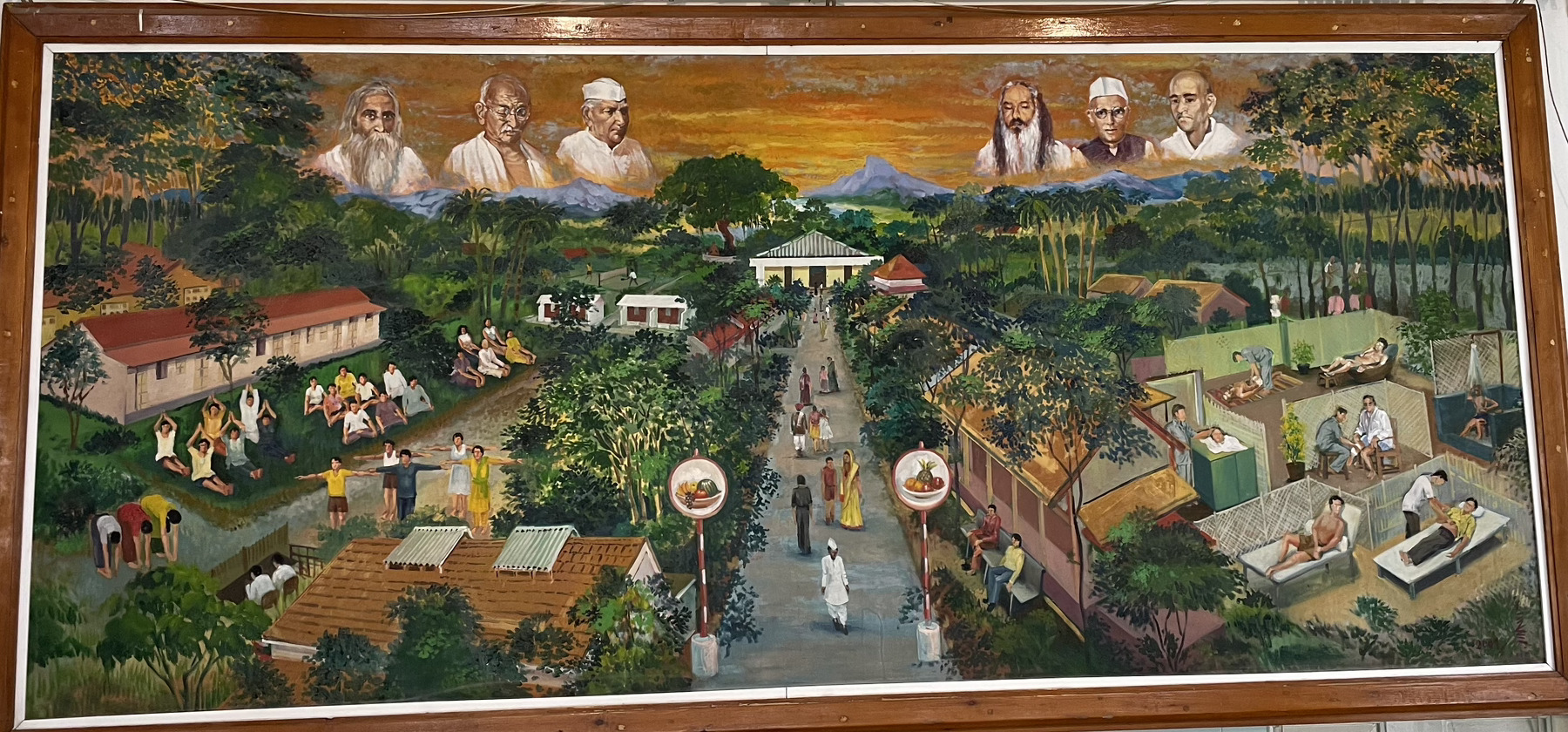
After a super hectic journey, my train to Uruli Kanchan arrived rather late at night. Fortunately, they could still offer me my room. Early the next morning, I returned for “admission.” The naturopathic doctor present established that nothing was wrong with me and that I would follow regular naturopathic treatment. This included mud packs, heat pressure, and a specific ashram-controlled diet, aspects that were once actively used in the nonviolent struggle against empire. As I’ve always been an avid eater, I pushed back on the small meal size and got a double serving each day. The dining hall was a favourite place for me, as I met interesting individuals there to talk with. Above our heads, in the dining hall, there was a big artwork where Gandhi, Vinoba Bhave, Dinshaw Mehta, and some others were overlooking us eat.
Unfortunately, I got terribly sick on my third day at the ashram. I could not stand properly; my joints and muscles were paralyzed, and I had the worst headache ever. Although the doctor thought I had chikungunya, tests showed I did not, now I think it might have been dengue. I stopped reading books on nonviolent naturopathy from the Nisargopchar Ashram library. Instead, I focused only on making my presentation for the conference at Mount Berry and on getting better. Since you are not allowed to exit the ashram unless you stop treatment, I decided to stop and go to Pune for one night to recover. Since I did not have enough time at Nisargopchar Ashram, I am returning this February, so there will be another update coming. The next day in Pune, I would leave for the US for fieldwork with my research team.